Biofeedback: Your Inner Compass for Stress Relief, Better Sleep & Sharper Focus
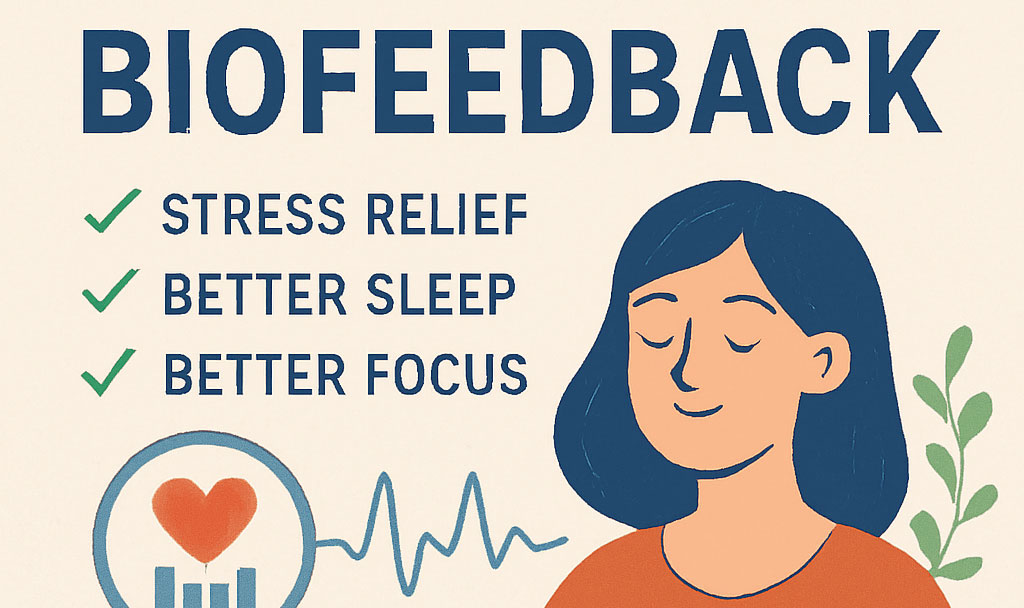
In our fast-paced world, stress, sleepless nights, and scattered focus have become all too common. But what if you could tune into your body’s signals and gently guide them toward balance? That’s the promise of biofeedback—a science-backed technique for stress relief that empowers you to take control of your physical and mental well-being.
🧠 What Is Biofeedback?
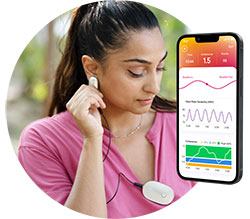
Biofeedback is a mind-body training method that uses sensors to monitor involuntary physiological functions—like heart rate, muscle tension, brain waves, and breathing—and gives you real-time feedback. With practice, you learn to adjust these functions consciously, improving your health and performance.
Think of it as learning to “listen” to your body’s whispers before they become screams.
🌬️ How Biofeedback Helps You Thrive
Here’s how biofeedback can support your journey to a calmer, more focused life:
- Stress Relief
- Biofeedback helps you recognize the physical signs of stress (e.g., elevated heart rate, shallow breathing).
- Techniques like heart rate variability (HRV) training and breathwork can reduce cortisol levels and promote relaxation.
- Over time, you build resilience and respond to stress more calmly.
- Better Sleep
- By calming the nervous system before bedtime, biofeedback reduces insomnia and racing thoughts.
- Neurofeedback (brainwave training) can help regulate sleep cycles and improve sleep quality.
- Breathing and coherence exercises prepare your body for deep, restorative rest.
- Improved Focus & Mental Clarity
- Biofeedback trains your brain to enter optimal states for concentration.
- It’s especially helpful for students, professionals, and individuals with ADHD.
- You’ll notice fewer distractions and more sustained attention during tasks.
🩺 When Is Personal Biofeedback Recommended?
Biofeedback isn’t just for wellness enthusiasts—it’s a powerful tool for managing specific health challenges. Here are some common issues where personal biofeedback is recommended:
| Condition/Concern | How Biofeedback Helps |
| Chronic Stress & Anxiety | Teaches relaxation techniques and nervous system regulation |
| Insomnia & Sleep Disorders | Promotes parasympathetic activation for better sleep |
| ADHD & Focus Issues | Enhances attention control and reduces impulsivity |
| Hypertension | Helps lower blood pressure through breath and heart rate training |
| Migraines & Tension Headaches | Reduces muscle tension and improves blood flow |
| PTSD & Trauma Recovery | Supports emotional regulation and grounding |
🛠️ Types of Biofeedback Devices
Personal biofeedback tools are now more accessible than ever. Some popular types include:
- HRV monitors (e.g., HeartMath, Elite HRV)
- Neurofeedback headsets (e.g., Muse, NeuroSky)
- Breath training apps (e.g., Breathwrk, iBreathe)
- Wearables (e.g., Oura Ring, Fitbit with stress tracking)
These devices offer guided sessions, progress tracking, and personalized insights to help you stay on course.
💬 Final Thoughts: Your Body Knows—Learn to Listen
Biofeedback is not about perfection—it’s about connection. It’s a gentle invitation to tune in, slow down, and respond to your body with compassion. Whether you’re navigating stress, chasing better sleep, or striving for sharper focus, biofeedback offers a path to greater self-awareness and healing.
Ready to reclaim your calm and clarity? Your body is already speaking. Biofeedback helps you understand the language.