1. Medication (first-line for most people)
| Class | Examples | Key points |
|---|---|---|
| Stimulants | • Methylphenidate (Ritalin, Concerta, Focalin) • Amphetamines (Adderall, Vyvanse, Dexedrine) | • Most effective & fastest-acting (60–80 % symptom reduction) • FDA-approved for ages 3 y (methylphenidate) or 6 y (amphetamines) through adult • Start low, titrate every 1–2 weeks until optimal effect or side-effect ceiling • Common SE: appetite loss, sleep delay, moodiness, small BP/HR rise • No evidence of long-term addiction when prescribed for ADHD |
| Non-stimulants | • Atomoxetine (Strattera) • Viloxazine (Qelbree) • Guanfacine (Intuniv) • Clonidine (Kapvay) | • Useful if stimulants contraindicated (tics, heart disease, substance-abuse history) or cause intolerable side-effects • Slower onset (2–6 weeks); taken daily, no “holidays” needed • SE: sedation, GI upset (atomoxetine), hypotension (alpha-agonists) |
| Off-label / second-line | • Bupropion, modafinil, tricyclic antidepressants, atypical antipsychotics |
• Evidence weaker; used when comorbid depression, anxiety, or bipolar disorder present |
You must consult with your doctor before considering medication as a possible treatment. Medication choice differs by age:
• Children/adolescents – methylphenidate preferred per NICE• Adults – amphetamines show slightly larger effect size
2. Psychological / Behavioral Interventions
| Type | Who it’s for | What it looks like |
|---|---|---|
| Behavioral parent training (PTBM) | Preschoolers (4–5 y) and families of school-age kids |
8–12 sessions teaching positive reinforcement, consistent consequences, daily report cards. Most studied and effective non-drug treatment |
| Classroom interventions | School-age children | Seating near teacher, token reward systems, extended test time, “chunking” assignments |
| Cognitive-Behavioral Therapy (CBT) | Adolescents & adults | 8–16 structured sessions targeting procrastination, emotional dysregulation, cognitive distortions, time-management |
| Neurofeedback | Children, teens, some adults |
EEG-guided practice to increase beta/reduce theta waves; promising but still experimental |
| Organizational-skills training | 8–12 y and adults | Teaching planners, color-coded folders, “task breakdown” scripts, digital reminders |
| Social-skills or peer-intervention groups | Children with peer-rejection problems | Role-play, cooperative games, video-modeling |
Combination therapy (stimulant + behavioral) produces larger gains in academics and parent–child relations than either alone
3. Lifestyle & Complementary Approaches (adjunctive)
| Intervention | Evidence level | Comment |
|---|---|---|
| Aerobic exercise (≥30 min, 3×/week) | Moderate |
Improves executive functions & mood |
| Sleep hygiene | Strong moderator | Sleep debt magnifies ADHD symptoms |
| Omega-3 fatty acid supplementation (EPA/DHA ~1 g/day) | Small benefit | May reduce inattention; safe adjunct |
| Mindfulness / yoga / tai-chi | Emerging | Small trials show improved attentional control & reduced stress |
| Elimination diets (artificial colors, preservatives) | Controversial | ~5–10 % of children may respond; should be supervised by dietitian |
4. Digital & Device-Based Therapies (newer pipeline)
| Modality | Examples | Status |
|---|---|---|
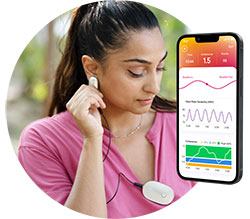
| eTNS (external trigeminal nerve stimulation) | Monarch™ device | FDA-cleared for 7–12 y not on meds |
| tDCS / rTMS | Home or clinic units | Research stage for cognitive training adjunct |
| Cognitive-training games | Cogmed, Braingame Brian |
Mixed results—improves trained tasks but minimal real-world transfer |
Putting it together – age-based quick guide
| Age | AAP / NICE recommended sequence |
|---|---|
| Preschool (4–5 y) |
1. Parent-training program 2. If moderate-severe, consider methylphenidate |
| School-age (6–11 y) | 1. Stimulant ± PTBM/classroom interventions 2. Switch or add non-stimulant if needed |
| Adolescents (12–17 y) | 1. Stimulant 2. CBT / academic-skills groups 3. Non-stimulant or bupropion if intolerant |
| Adults | 1. Stimulant (amphetamine often first) 2. CBT or coaching 3. Workplace accommodations (ADA in US) |