Heart Rate Variability: Your Body’s Hidden Signal for Health, Resilience & Calm
In a world that constantly demands more from us, it’s easy to overlook the quiet signals our body sends. One of the most powerful—and often misunderstood—indicators of well-being is Heart Rate Variability (HRV). Whether you’re seeking better sleep, stress relief, or sharper focus, understanding HRV can be a game-changer.
🧠 What Is Heart Rate Variability?
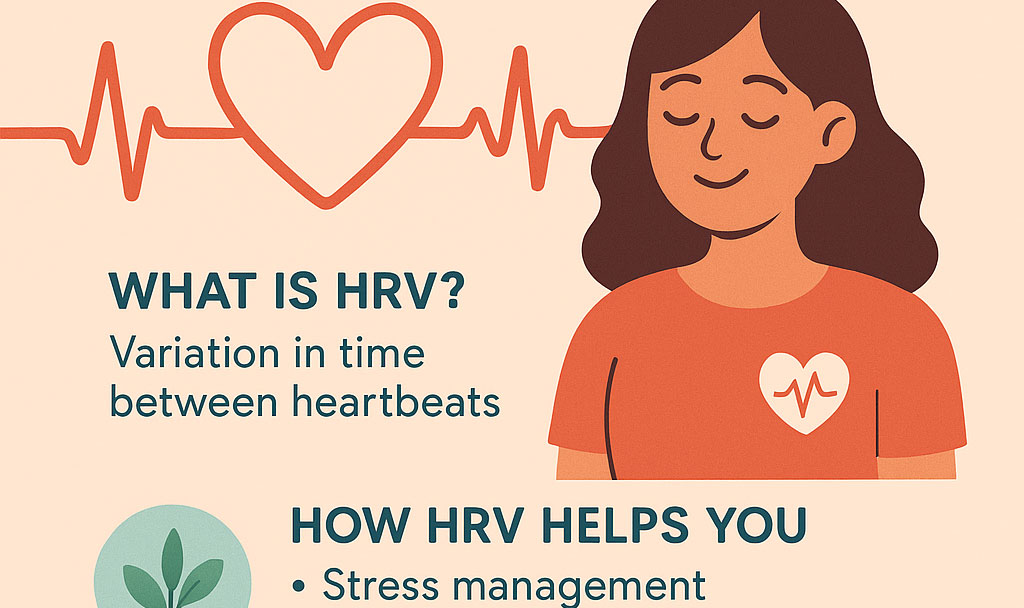
Heart Rate Variability refers to the variation in time between each heartbeat. Contrary to what you might expect, a perfectly steady heartbeat isn’t ideal. A healthy heart rhythm fluctuates subtly depending on your breathing, emotions, and nervous system activity.
- High HRV = greater adaptability and resilience
- Low HRV = potential stress, fatigue, or imbalance
HRV is regulated by your autonomic nervous system, which includes:
- The sympathetic branch (fight or flight)
- The parasympathetic branch (rest and digest)
A balanced nervous system shows up as a higher HRV—meaning your body can shift smoothly between stress and recovery.
🌿How HRV Helps You
HRV is more than just a number—it’s a window into your inner world. Here’s how it supports your well-being:
- Stress Management
- HRV helps you track how your body responds to stress.
- With regular monitoring, you can identify triggers and build resilience through breathwork, meditation, and lifestyle changes.
- Better Sleep
- Low HRV before bed may signal poor recovery or overstimulation.
- Improving HRV through calming routines can lead to deeper, more restorative sleep.
- Improved Focus & Performance
- Athletes and professionals use HRV to optimize training and mental clarity.
- High HRV is linked to better cognitive flexibility and emotional regulation.
📏 How Is HRV Measured?
HRV is typically measured in milliseconds (ms) between heartbeats. The most common methods include:
- Time-domain analysis (e.g., RMSSD, SDNN)
- Frequency-domain analysis (e.g., LF/HF ratio)
- Non-linear methods (used in advanced research)
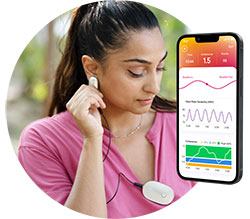
You don’t need to be a scientist to benefit—many personal tools simplify this data into easy-to-understand scores.
🔍 What Does HRV Tell You?
HRV isn’t about perfection—it’s about patterns. Here’s what your HRV can reveal:
- High HRV: You’re well-rested, emotionally balanced, and physically recovered.
- Low HRV: You may be stressed, fatigued, or in need of rest and recovery.
- Sudden drops: Could indicate illness, overtraining, or emotional strain.
Tracking HRV over time helps you make informed decisions about your lifestyle, workouts, and mental health.
💬 Final Thoughts: Tune Into Your Inner Rhythm
Heart Rate Variability is like a whisper from your nervous system—subtle, but deeply informative. By learning to listen, you gain the power to respond with care, not just react. Whether you’re navigating stress, chasing better sleep, or striving for peak performance, HRV offers a personalized path to balance and vitality.
So take a breath. Your heart is speaking. HRV helps you understand what it’s saying.