🧠 What is Neurofeedback?
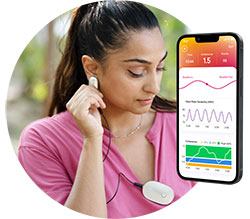
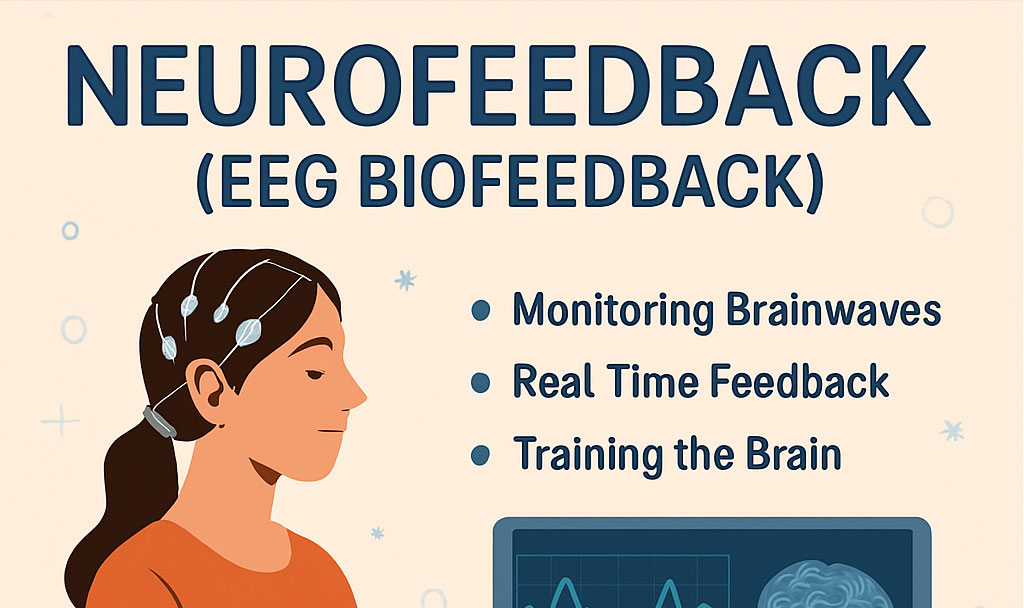
Neurofeedback is also known as EEG biofeedback. It is a non-invasive therapeutic technique that helps individuals learn to regulate their brain activity. It’s a specialized form of biofeedback that focuses specifically on brainwaves.
🔍 How does Neurofeedback Work
- Monitoring Brainwaves: Electrodes are placed on the scalp to measure electrical activity in the brain.
- Real-Time Feedback: A computer program provides visual or auditory cues (like a changing graphic or sound) based on the brain’s activity.
- Training the Brain: These cues guide the brain toward healthier patterns—encouraging focus, calmness, or alertness depending on the goal.
🎯 What It’s Used For
Neurofeedback is used to support treatment for a variety of conditions:
- ADHD
- Anxiety and depression
- PTSD
- Insomnia and sleep disorders
- Seizure disorders
- Traumatic brain injury
- Autism spectrum disorders
- Age-related cognitive decline
💡 Benefits of Neurofeedback
- Non-invasive and drug-free
- Personalized to individual brain patterns
- Can enhance self-awareness and emotional regulation
- Promotes neuroplasticity—helping the brain adapt and rewire itself
⚠️ Considerations
- Results vary: Some studies suggest benefits may be partly due to the placebo effect
- Requires multiple sessions (often 20–40)
- Can be costly and time-consuming
- Not universally covered by insurance
Commonly Reported Side Effects
- These are typically mild and temporary:
- Fatigue or mental exhaustion: Like a workout for your brain, sessions can leave you feeling drained.
- Headaches or dizziness: Often due to overstimulation or poorly calibrated protocols.
- Sleep disturbances: Some people report vivid dreams or trouble falling asleep after sessions.
- Mood swings or irritability: Emotional fluctuations can occur as brainwave patterns shift.
- Anxiety or overstimulation: Especially if fast brainwaves (like beta) are overtrained.
😬 Less Common but Notable Reactions
Some individuals have reported more serious effects:
- Depersonalization: Feeling disconnected from body or thoughts.
- Extended anxiety episodes: Panic-like symptoms lasting hours in rare cases.
- Exacerbation of existing conditions: For example, chronic pain or PTSD symptoms worsening.
🧪 What Influences Side Effects?
- Individual variation: Genetics, brain chemistry, and mental health history play a role.
- Practitioner skill: Inexperienced providers may misinterpret brain maps or apply incorrect protocols.
- Type of neurofeedback: Some systems (e.g., LENS or Zengar) are more sensitive than others.
✅ How to Minimize Risk
- Work with a certified and experienced practitioner
- Start with low-intensity sessions and monitor reactions
- Ensure a comprehensive brain map (QEEG) is done before training
- Keep a journal of symptoms and progress
- Read more about the Biofeedback devices here