
🧠 What Is Heart Rate Variability?
Heart Rate Variability (HRV) might sound like something only athletes or scientists care about—but it’s actually a powerful signal your body sends every moment, quietly reflecting your stress levels, resilience, and overall health. Whether you’re trying to sleep better, manage anxiety, or simply understand your body more deeply, HRV is worth knowing.
Let’s break it down in simple terms.
HRV is the variation in time between each heartbeat. Yes, your heart doesn’t beat like a metronome—it speeds up and slows down depending on what’s happening in your body.
- If your heart beats 60 times per minute, it doesn’t mean it beats exactly once every second.
- One beat might come after 0.9 seconds, the next after 1.1 seconds—that’s variability.
This variation is controlled by your autonomic nervous system, which manages things like breathing, digestion, and stress responses. A higher HRV generally means your body is flexible and responsive—a good thing!
🌟 Is Heart Rate Variability Important?
Absolutely. HRV is like a window into your nervous system.
- High HRV often means your body is relaxed, resilient, and adaptable.
- Low HRV can indicate stress, fatigue, or even underlying health issues.
Think of HRV as your body’s “stress thermometer.” It doesn’t diagnose diseases, but it gives clues about how well you’re coping physically and emotionally.
📈 What Is a Good Heart Rate Variability?
There’s no one-size-fits-all number. HRV is highly individual and influenced by age, fitness level, genetics, and lifestyle.
- Young, fit individuals tend to have higher HRV.
- Older adults or those under chronic stress may have lower HRV.
Instead of chasing a specific number, focus on trends:
- Is your HRV improving over time?
- Does it drop after stressful days and bounce back after rest?
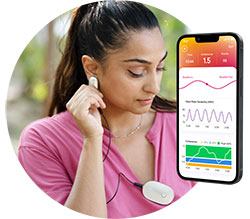
Apps and wearables like WHOOP, Oura Ring, and Apple Watch can help track this.
📊 What Is Normal Heart Rate Variability?
Here’s a rough idea of average HRV values (measured in milliseconds):
| Age Group | Average HRV (ms) |
|---|---|
| 20–30 years | 55–105 |
| 30–40 years | 50–100 |
| 40–50 years | 45–95 |
| 50–60 years | 40–90 |
| 60+ years | 35–85 |
Remember: these are just ballpark figures. Your “normal” is unique to you.
🧘♀️ How Can You Improve Your HRV?
Good news—HRV is trainable! Here are some science-backed ways to boost it:
- 💤 Get quality sleep: Deep, restful sleep restores your nervous system.
- 🧘 Practice mindfulness or meditation: Calms your stress response.
- 🚶♂️ Exercise regularly: Builds resilience and cardiovascular health.
- 🥗 Eat well: A balanced diet supports your body’s recovery.
- 🌿 Spend time in nature: Even short walks can lower stress.
- 📵 Limit screen time before bed: Helps your body wind down.
❤️ Final Thoughts: Listening to Your Heart
Heart Rate Variability is more than just a number—it’s a reflection of how your body is handling life. By tuning into it, you can make smarter choices for your health, stress, and well-being.
Whether you’re a wellness newbie or just curious about your body’s signals, HRV is a gentle nudge to slow down, breathe, and take care of yourself.